Wisdom Teeth Removal In Hoppers Crossing
Have you noticed swelling, discomfort, or pressure at the back of your mouth where wisdom teeth are developing? Removing wisdom teeth may be required if they are unable to come through properly or are causing issues in the surrounding area.

What Is Wisdom Teeth Removal?
Wisdom teeth removal is a dental procedure performed to take out one or more third molars when they are causing problems or may lead to problems later. These teeth usually appear in the late teenage years or early adulthood and may not always have enough room to grow into a normal position.
When space is limited, wisdom teeth may grow at an angle, remain partly under the gum, or become trapped in the jaw. Removal is planned carefully to protect nearby teeth, bone, and gums. Wisdom teeth can vary in size, shape, and position, which is why removal is different for each person.
Who Might Need Wisdom Teeth Removal?
You may need wisdom teeth removal if your wisdom teeth are impacted or causing pain, swelling, infection, or damage to nearby teeth. In some cases, food and bacteria can collect around partially erupted wisdom teeth, increasing the risk of decay and gum problems. Some wisdom teeth do not cause immediate problems but may still be monitored over time if there is a risk of future complications.
In certain situations, impacted wisdom teeth may contribute to cyst formation or affect the bone around nearby teeth. The decision to remove wisdom teeth depends on your age, symptoms, and how the teeth are developing.

What Is the Wisdom Teeth Removal Process?
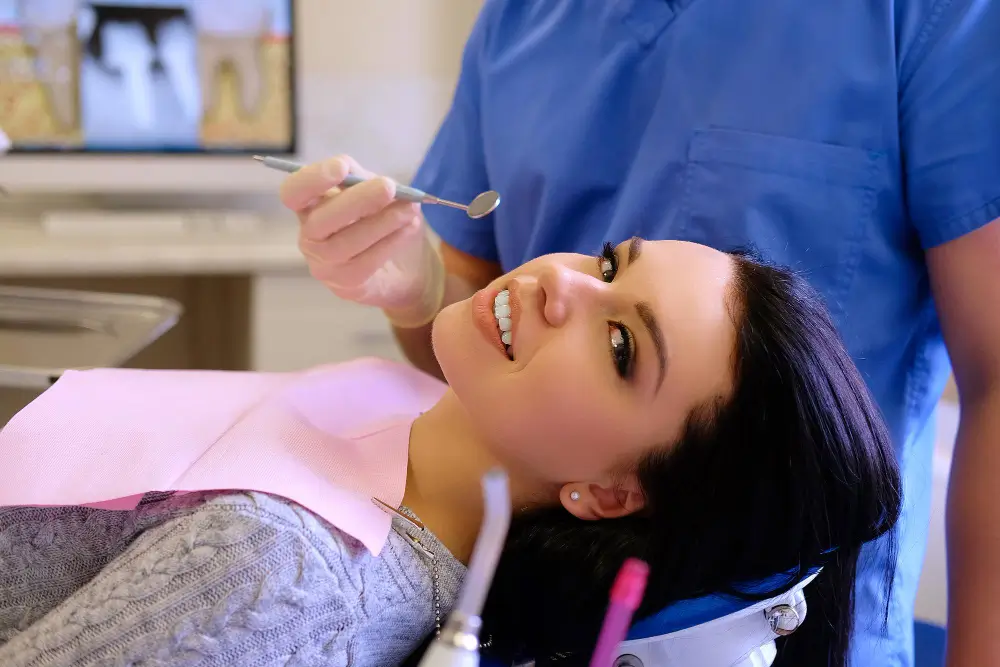
At our dental practice in Hoppers Crossing, the wisdom teeth removal process begins with a consultation where your teeth are examined, and X-rays are taken to assess the position of the wisdom teeth and plan treatment. Local anaesthesia is commonly used to numb the area, although other options may be considered for more complex cases.
The tooth is then carefully removed, and stitches may be placed if required. Gauze is placed after the tooth is removed to help control bleeding, and the area is monitored as the initial healing process begins.
What Are the Risks and Complications of Wisdom Teeth Removal?
Wisdom teeth removal is a common procedure, but as with any surgery, some risks and complications can occur.
Common Side Effects
Swelling, mild discomfort, and limited mouth opening are common after wisdom teeth removal. These effects usually improve over several days as healing progresses and normal jaw movement gradually returns.
Rare Complications
Less common complications may include infection, prolonged bleeding, or delayed healing. In some cases, nearby nerves, sinuses, or teeth may be affected, depending on the position of the wisdom tooth and the complexity of the removal. Review visits help monitor healing and reduce risks.

What Are the Benefits Of Wisdom Teeth Removal?
Wisdom teeth removal has several benefits, including reducing the risk of future infection and damage to nearby teeth. It may also make it easier to keep the back areas of the mouth clean, where wisdom teeth are often difficult to reach. In some cases, removal may reduce pressure on surrounding teeth and support overall bite balance. Our dentist will assess your individual situation before deciding whether removal is appropriate.
Flexible Payment Options to Suit Your Needs
At West Dental & Implants, we offer flexible payment options to help make treatment more affordable. We accept all major health funds and are a preferred provider for NIB. Payments can be made via HICAPS, HUMM, cash, or credit, and eligible patients may be able to access superannuation early. Our goal is to help you move forward with treatment in a way that feels manageable for you.

Frequently Asked Questions
Do you provide free aftercare after wisdom teeth removal?
What should I eat after having my wisdom teeth taken out?
How will I know if there is enough space for my wisdom teeth to come through normally?
Will I need time off work or school after my wisdom teeth are taken out?
Can I brush my teeth normally after wisdom teeth removal?
Are all wisdom teeth removed in the same way?
Note: Any surgical or invasive procedure carries risks. Before proceeding, you should seek a second opinion from an appropriately qualified health practitioner.