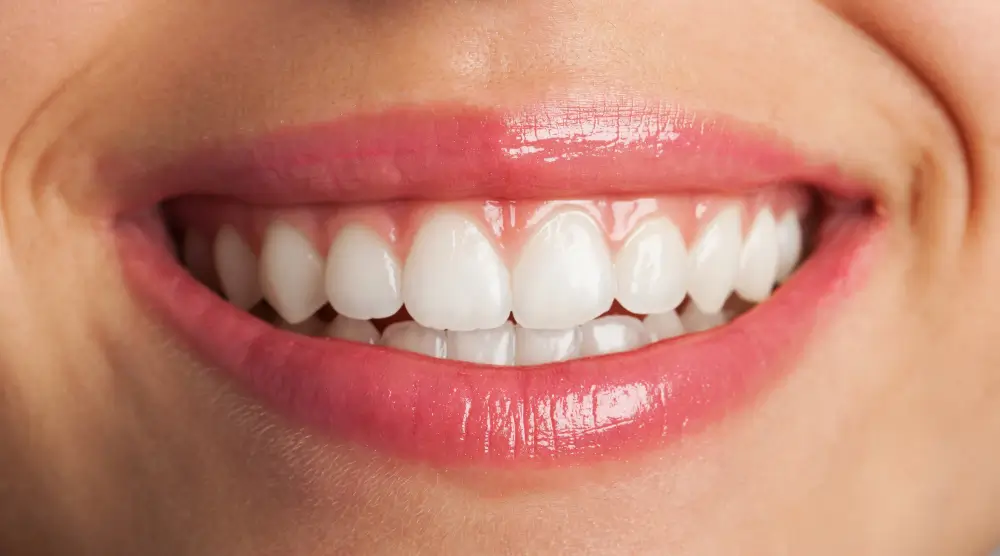
Teeth can gradually change colour over time due to food, drinks, smoking, and natural ageing. Teeth whitening is a treatment that can improve tooth colour and refresh the overall appearance of your smile in a supervised dental setting.
What Is Teeth Whitening?
Teeth whitening is a dental treatment used to lighten the colour of natural teeth by reducing stains and discolouration. Staining may develop over time from coffee, tea, red wine, smoking, certain foods, or natural ageing. Whitening treatments work by using a whitening gel that helps break down stains on the enamel surface.
Teeth whitening does not change the colour of crowns, veneers, or fillings, and results can vary depending on the type of staining and the condition of your teeth. Before whitening, your teeth and gums are checked to make sure the treatment is suitable for your oral health, with support from a team providing trusted dental care in Hoppers Crossing.
Who Might Consider Teeth Whitening?
Teeth whitening may be suitable for people who have staining or discolouration and would like to improve the appearance of their teeth. Common causes of staining include food and drinks, smoking, ageing, and some medications. Whitening is usually recommended when teeth and gums are healthy and free from untreated decay or gum disease.
It may not be suitable for everyone, particularly if there are existing restorations on front teeth or if teeth are very sensitive. A consultation helps determine whether teeth whitening is appropriate and which whitening option may be more suitable for your situation and expected results.
What Is the Teeth Whitening Process?
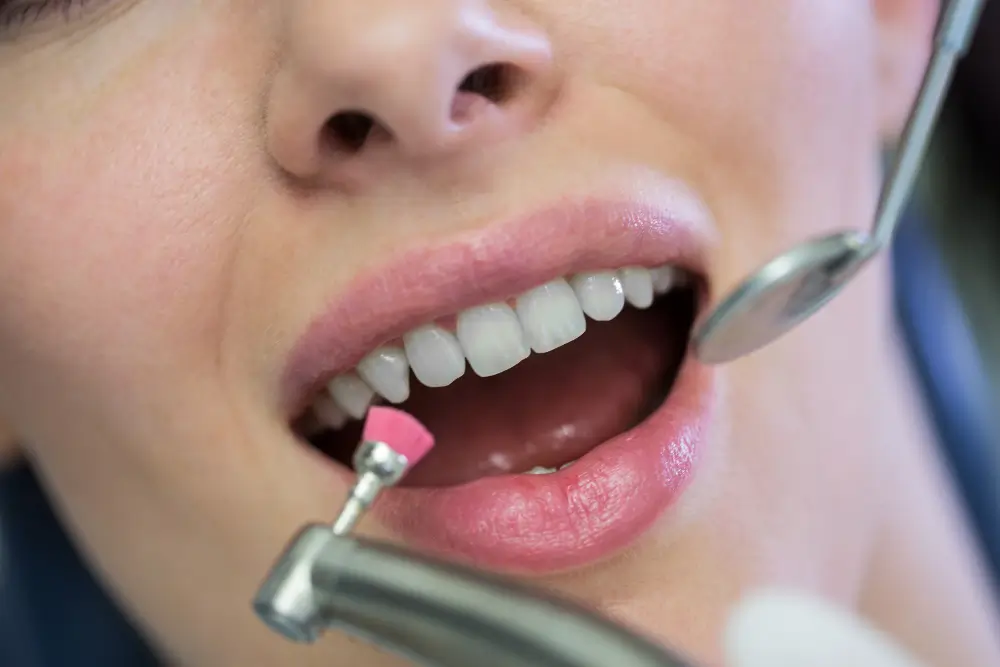
The teeth whitening process begins with an assessment to determine whether in-chair or take-home whitening is more suitable for your teeth and oral health. During in-chair whitening, a protective barrier is placed over the gums before the whitening material is applied and activated using a light. The procedure usually takes about an hour to complete.
Take-home whitening involves custom trays that are made to fit your teeth, along with professional whitening material provided for use at home over a period of time. We will explain how to use the trays safely and may review your progress during follow-up visits if needed.
What Are the Risks And Side Effects Of Teeth Whitening?
Teeth whitening involves the use of whitening agents, and some risks and side effects may occur after treatment.
Common Side Effects
Tooth sensitivity and mild gum irritation are the most common side effects and usually settle after a short time. Some people may also notice temporary sensitivity to cold drinks or air during the whitening period.
Less Common Risks
Whitening may not produce the same result for every tooth, especially where fillings, crowns, or internal staining are present. In some cases, uneven colour may occur, and additional dental treatment may be discussed to improve colour balance if needed after whitening treatment is completed.
What Are the Benefits Of Teeth Whitening?
Teeth whitening offers several benefits, including reducing staining and improving the overall appearance of natural teeth. It is a non-invasive treatment that does not involve drilling or removing tooth structure. Results are gradual and can be maintained with good oral hygiene and regular dental visits after treatment. Many patients choose whitening to refresh tooth colour before important events or photos, or to feel more comfortable when smiling in everyday situations. It is a simple cosmetic option.
Flexible Payment Options to Suit Your Needs
At West Dental & Implants, we offer flexible payment options to help make treatment more affordable. We accept all major health funds and are a preferred provider for NIB. Payments can be made via HICAPS, HUMM, cash, or credit, and eligible patients may be able to access superannuation early. Our goal is to help you move forward with treatment in a way that feels manageable for you.
Frequently Asked Questions
Is the teeth whitening procedure safe?
The teeth whitening procedure is generally considered safe when carried out at a dental clinic after an oral health check. Our dentist will examine your teeth and gums first to make sure there are no underlying issues that need treatment before whitening begins.
Can I get teeth whitening if I have sensitive teeth?
If you have sensitive teeth, our dentist may recommend a modified whitening approach or shorter treatment time. Whitening trays may be provided for home use, so the whitening process can be done gradually, which can help reduce sensitivity during treatment.
How long do teeth whitening results usually last?
Results vary depending on diet, oral hygiene, and lifestyle habits. Drinks like coffee, tea, and red wine can cause staining over time. With regular brushing, professional cleaning, and occasional touch-up treatment, many people are able to maintain a brighter smile for longer.