
Dental Implants in Hoppers Crossing
Missing teeth can affect how you eat, speak, and manage daily activities. Dental implants are a long-term replacement option that sits securely in the jaw and helps restore stability and function over time. They also support everyday comfort and oral health.
What Are Dental Implants?
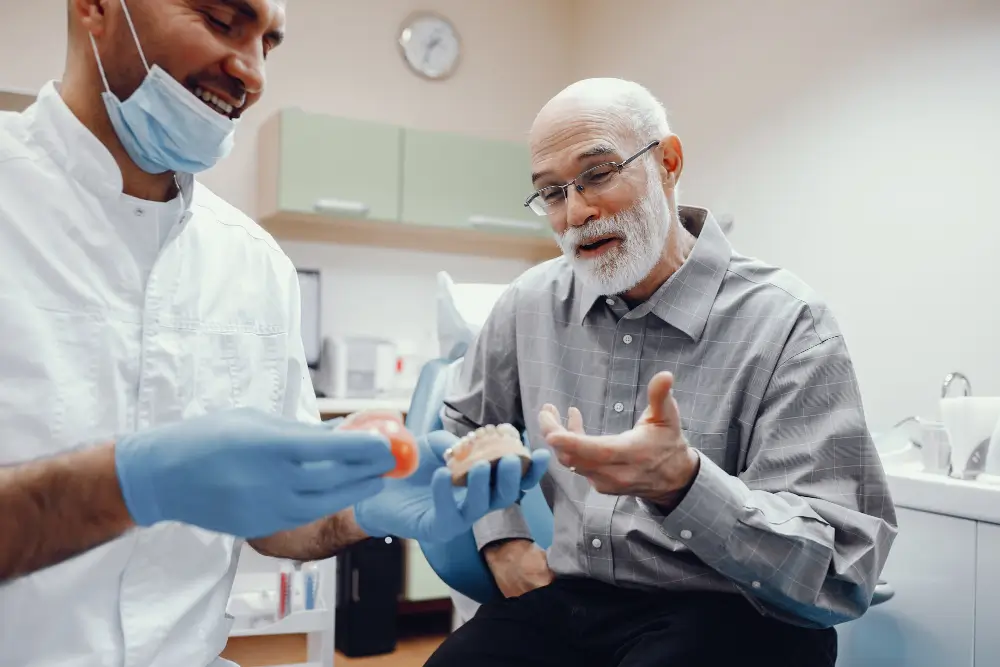
Dental implants are a treatment used to replace missing teeth by placing a small titanium post into the jawbone, where it acts as a support for a replacement tooth. Over time, the implant integrates with the bone, creating a stable foundation for a crown, bridge, or denture. This integration helps the replacement tooth stay secure during everyday activities such as eating and speaking.
Different implant options are available depending on how many teeth need to be replaced. A single dental implant may be considered for one missing tooth, while implant-supported bridges can replace several adjacent teeth. For people missing most or all of their teeth, options may include implant-supported dentures or full-mouth dental implants.
Dental implants can be used to replace a single tooth, multiple teeth, or support full mouth tooth replacement, depending on your oral health, bone support, and overall treatment needs. A thorough assessment is required to determine whether implant treatment is suitable. Our local dental clinic in Hoppers Crossing can help you understand your options.
Who Might Be Suitable for Dental Implants?
Dental implants may be suitable when one or more teeth are missing, and a fixed replacement option is being planned. Missing teeth can affect bite balance, chewing ability, and how pressure is distributed across remaining teeth. In some cases, removable options may not provide enough stability, or nearby teeth may not be suitable to support a bridge. An assessment is carried out to check bone support, gum condition, and overall oral health before treatment is recommended.
General health, smoking, and oral hygiene habits are also reviewed, as these factors can influence healing and long-term dental implant stability. Treatment timing may also depend on healing, existing dental conditions, and overall treatment planning. Visit our tooth implant clinic in Hoppers Crossing for a detailed dental implant consultation.

What is the Dental Implant Process?

At our clinic in Hoppers Crossing, the dental implant treatment process begins with a consultation and 3D CBCT scan, followed by digital planning to assess bone and plan implant placement. If bone levels are not sufficient, bone grafting may be recommended before implant placement. The implant is then placed into the jawbone, and time is allowed for healing while the bone integrates with the implant.
Once healing is complete, we fit the final crown. General anaesthesia is available in-house for suitable procedures. All treatment, including full mouth implant cases and maxillary procedures, is completed in-house, and review visits are scheduled to monitor healing.
What Are the Risks and Considerations of Dental Implants?
Dental implants involve a surgical procedure and a healing period, and like any treatment, there are risks and considerations to be aware of. Recovery time can vary depending on the individual and the complexity of the procedure.
Healing And Recovery
Some swelling, discomfort, or temporary difficulty eating may occur after the procedure while the area heals. This usually improves as healing progresses, and our dentist will provide advice to help you manage this period.
Suitability
Not all patients are suitable for dental implants, and assessment is required before treatment is recommended. Bone levels, gum health, and general health must be checked first. Smoking, certain medications, and medical conditions may affect healing and long-term implant success. Our dentist will discuss whether implant treatment is appropriate for your situation.

What Are the Benefits of Dental Implants?

Dental implants offer several benefits, including restoring everyday function, such as chewing and speaking. They are fixed in place and do not move like removable dentures, which can make eating and speaking feel more stable. Implants also help maintain jawbone structure where teeth are missing and support nearby teeth. Because implants sit in the jaw, they help distribute bite pressure more evenly across the mouth during daily use.
Flexible Payment Options to Suit Your Needs
At West Dental & Implants, we offer flexible payment options to help make treatment more affordable. We accept all major health funds and are a preferred provider for NIB. Payments can be made via HICAPS, HUMM, cash, or credit, and eligible patients may be able to access superannuation early. Our goal is to help you move forward with treatment in a way that feels manageable for you.
Frequently Asked Questions
Why choose West Dental & Implants for implant treatment?
Am I a suitable candidate for dental implants?
What dental implant brands do you use?
How much do dental implants cost?
Do you offer free aftercare?
How do I look after a dental implant long-term?
What happens if I leave a missing tooth for too long?
Can older adults get dental implants?
Note: Any surgical or invasive procedure carries risks. Before proceeding, you should seek a second opinion from an appropriately qualified health practitioner.
