

Losing a tooth can change how you eat, speak, and feel about your smile. Many people look for a long-term way to replace missing teeth without affecting the surrounding teeth. One option often discussed is a dental implant. But what is a dental implant, and how does it actually work?
This guide explains the basics in clear, simple terms. It covers what an implant is, how the dental implant procedure is carried out, and what to expect before and after treatment.
What A Dental Implant Is And How It Works
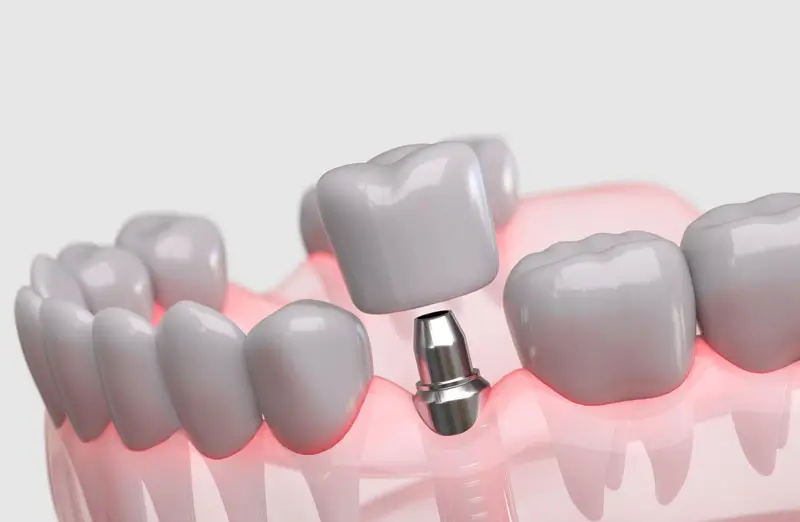
A dental implant is a small device designed to replace a missing tooth. It is usually made from titanium and shaped like a screw. This implant screw is placed into the jawbone, where it acts like the root of a natural tooth.
Over time, the implant joins with the bone in a process called integration. Once stable, a replacement tooth is attached to the implant. This artificial tooth is made to match the look and function of natural teeth.
Key Parts Of A Dental Implant
A dental implant treatment usually includes three main parts:
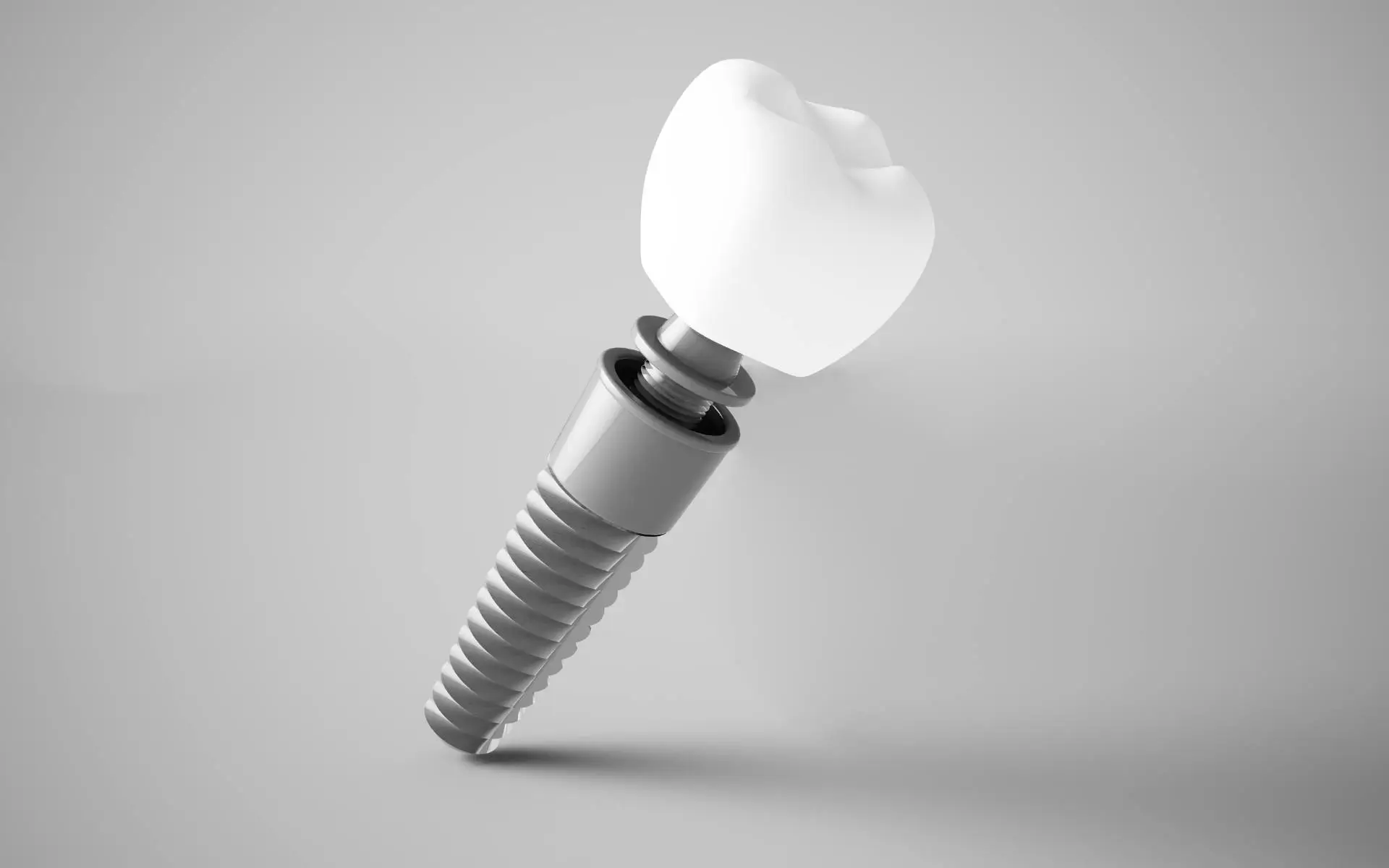
- The implant (a titanium post positioned within the bone)
- An abutment (a connector fixed to the implant)
- A dental crown (the visible part that looks like a tooth)
The crown is the final replacement tooth, and it is shaped to sit comfortably alongside adjacent teeth in the mouth.
Why Dental Implants Are Used
Dental implants are used to replace missing teeth and improve overall function. They are often chosen because they do not rely on surrounding teeth for support, unlike some other dental procedures.
Common Reasons For Implants
Dental implants may be considered for:
- A single missing tooth
- Patients with multiple missing teeth
- Teeth that are damaged or missing and cannot be repaired
- Situations where conventional dentures feel loose or uncomfortable
For patients missing several teeth, two or more implants can sometimes support a bridge or denture.
The Dental Implant Procedure Explained
The dental implant procedure is completed in stages. It is planned carefully to suit each person’s needs and oral health.
Initial Consultation And Planning
The process begins with an initial consultation. During this visit, the dentist reviews your medical history and examines your mouth. Scans or X-rays are taken to check bone levels and the position of blood vessels.
Preparing The Implant Site
Before implant placement, the dentist checks if there is enough bone to support the implant. If the bone is not strong or thick enough, bone grafting may be recommended.
In some upper jaw cases, a sinus lift may also be needed to create more space for safe implant placement.
Implant Surgery And Placement
Dental implant surgery is a procedure where the implant is carefully placed into the jawbone. This is usually done under local anaesthetic, and it is often described as a minor surgery.
During implant surgery:
- The gum is gently opened.
- The implant site is prepared.
- The implant screw is gently inserted into the bone.
The surgical placement is carried out carefully to avoid nearby structures such as nerves and blood vessels.
After placement, the area is closed, and healing begins.
Healing And Integration
After the implant placement, the bone needs time to heal. During this stage, the implant fuses with the surrounding bone. This can take several months.
Once healing is complete, the abutment is attached. The final crown is then fitted, completing the tooth replacement.
Types Of Dental Implants
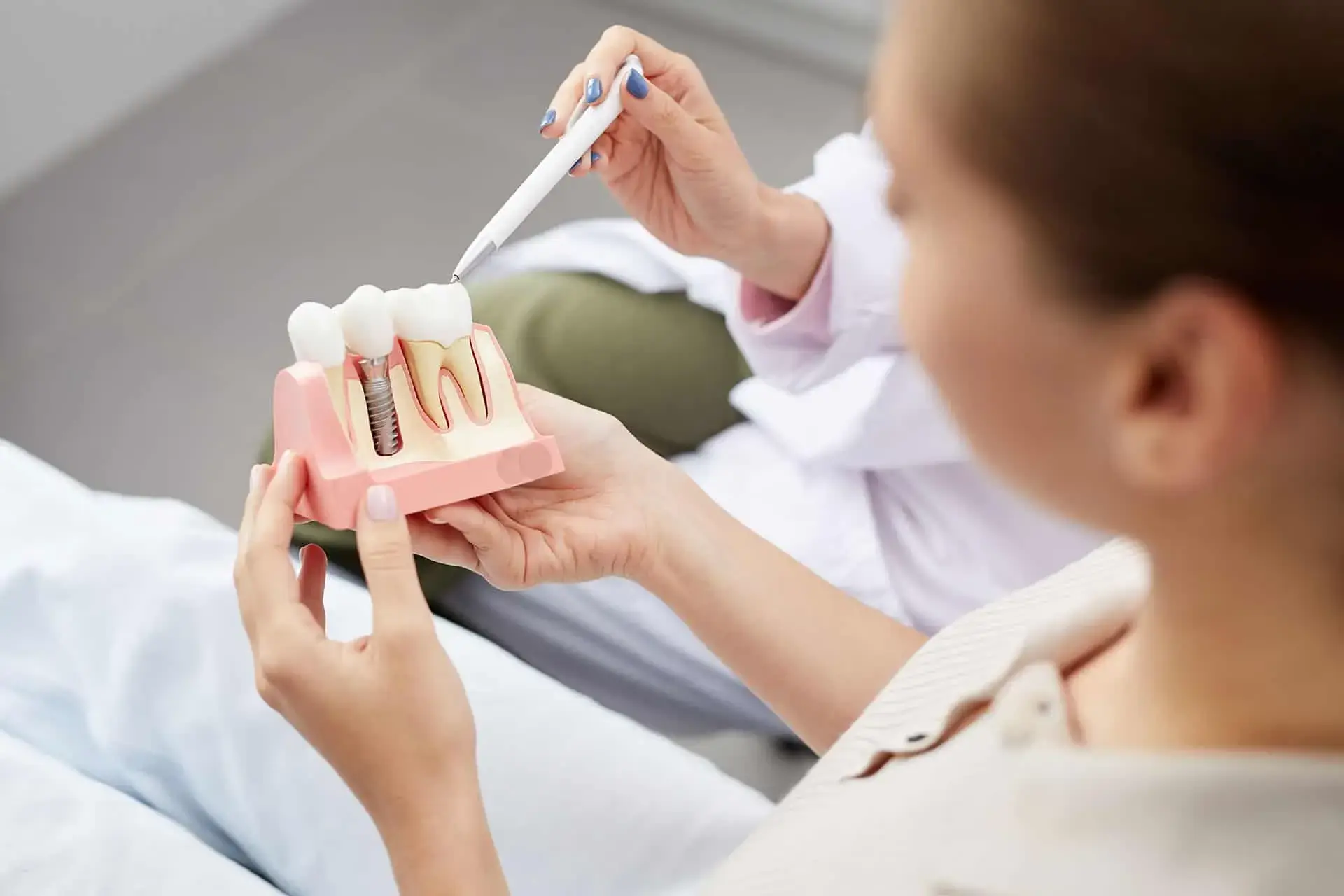
Not all implants are the same. The type used depends on the patient’s needs and the condition of the jawbone.
Standard Implants
These are the most common types and are used when there is enough bone to support them.
Zygomatic Implants
Zygomatic implants are longer and anchor into the cheekbone instead of the jaw. They may be considered when there is not enough bone in the upper jaw.
Implants For Multiple Teeth
For patients missing multiple teeth, implants can support bridges or full dentures. This may involve placing implants in key areas rather than replacing every tooth individually.
Who May Be Suitable For Dental Implants
Not everyone is immediately suitable for implant treatment. A careful assessment is always needed.
Factors That Affect Suitability
A dentist will consider:
- Overall oral health
- The presence of healthy gums
- Bone density and volume
- Medical history
- Habits such as smoking
Conditions like gum disease need to be managed before treatment begins. The goal is to create a stable environment for the implant.
The Role Of Bone And Gum Health
Healthy gums and enough bone are important for long-term success. If these are not present, procedures like bone grafting may be recommended before placing implants.
Benefits Of Dental Implants
Dental implants offer several practical benefits when used appropriately.
Function And Comfort
Implants can restore normal chewing and speaking. Because they are fixed in place, they do not move like conventional dentures.
Appearance
The crown is designed to blend in with natural teeth. This helps maintain a natural look without affecting adjacent teeth.
Preservation Of Bone
When a tooth is lost, the bone in that area can shrink over time. An implant helps maintain bone by providing stimulation similar to a natural tooth root.
Risks And Considerations
Like all surgical or invasive procedures, dental implant treatment carries risks. It is important to understand these before proceeding.
Common Risks
An invasive procedure carries risks such as:
- Infection at the implant site
- Implant failure (where the implant does not properly integrate with the bone)
- Nerve damage, which can lead to numbness or tingling
- Injury to nearby blood vessels
These risks are not common but can occur.
Aftercare And Long-Term Maintenance
Looking after a dental implant is similar to caring for natural teeth. Proper care can help reduce the risk of complications.
Daily Care
Good oral hygiene is essential. This includes:
- Brushing twice daily
- Cleaning between teeth
- Attending regular dental check-ups
Maintaining proper oral hygiene helps protect both the implant and the surrounding teeth.
Long-Term Considerations
With proper care, implants may last for many years. However, they still require ongoing monitoring as part of routine dental procedures.
How Dental Implants Compare To Other Options
Dental implants are one of several options used to replace missing teeth.
Compared To Dentures
Conventional dentures rest on the gums and can move during use. Implants are fixed and do not rely on other teeth for support.
Compared To Bridges
Bridges often involve shaping adjacent teeth to hold the replacement tooth. Implants avoid this by being placed directly into the bone.
Each option has its place, and the best choice depends on the individual situation.
How Long Does A Dental Implant Take From Start To Finish
The full dental implant process usually takes place over several months, but the exact timeline can vary depending on your situation.
After your initial consultation and planning, the implant is placed into the jawbone. From there, the main waiting period begins. This is when the bone heals around the implant and holds it firmly in place. This stage is important because it creates the stability needed for the final tooth.
For many people, this healing phase can take a few months. During this time, the area is monitored to make sure it is progressing as expected. Once the implant is stable, the next steps involve attaching the connector and placing the final crown.
Some cases may take longer. For example, if bone grafting or a sinus lift is needed before implant placement, this adds additional healing time before the implant can be placed. In these situations, the process may be spread out over a longer period to allow each stage to settle properly.
On the other hand, simpler cases with good bone support may move through the stages more efficiently.
It is also worth noting that while the treatment timeline may span several months, most appointments are short and spaced out. This allows healing to take place naturally between visits.
Overall, the process is gradual by design. Each stage builds on the previous one to support a stable and functional result over time.
Signs A Dental Implant May Need Attention
After a dental implant has healed, it is expected to feel stable and comfortable, similar to a natural tooth. However, like any dental treatment, it is important to stay aware of any changes over time.
One of the key signs to watch for is movement. A dental implant should not feel loose. If there is any shifting or instability, it is important to have it checked.
Ongoing discomfort is another sign that may need attention. Mild sensitivity early on can be normal, but discomfort that continues or develops later should be assessed.
Changes in the surrounding gums can also be important. This may include swelling, redness, or bleeding when brushing. Healthy gums play a key role in supporting the implant, so any changes in this area should not be ignored.
Some people may also notice difficulty when chewing on the implant side or a change in how the bite feels. These changes can sometimes develop gradually and are worth reviewing if they persist.
Regular dental visits help monitor the condition of the implant and the surrounding teeth. These check-ups allow any concerns to be identified early, even before noticeable symptoms appear.
If anything feels different or uncertain, it is best to have it reviewed. Early attention can help manage small issues before they become more complex.
Final Thoughts On Dental Implants
A dental implant is a well-established method for replacing missing teeth. It works by placing a small implant into the jaw, where it supports a replacement tooth designed to function like natural teeth.
The process involves careful planning, a surgical procedure, and a healing period. While it is a more involved option compared to some alternatives, it can offer a stable and long-term solution for tooth replacement.
If you are concerned about missing teeth or would like to explore suitable tooth replacement options, you can book a consultation with us at West Dental & Implants or call (03) 7003 2523 to discuss your situation and appropriate care options.
Note: Any surgical or invasive procedure carries risks. Before proceeding, you should seek a second opinion from an appropriately qualified health practitioner.
Resources
“Cleveland Clinic (2023). ‘Dental Crowns’. Cleveland Clinic, 14 April. Cleveland, OH: Cleveland Clinic. https://my.clevelandclinic.org/health/treatments/10923-dental-crowns”
“Mayo Clinic Staff (2024). ‘Dental Implant Surgery’. Mayo Clinic, 23 October. Rochester, MN: Mayo Foundation for Medical Education and Research. https://www.mayoclinic.org/tests-procedures/dental-implant-surgery/about/pac-20384622”
“Gupta, A., & Kumar, P. (2013). ‘Bone Grafts In Dentistry’. Journal of Pharmacy and Bioallied Sciences, June 2013. Mumbai, India: Medknow Publications. https://pmc.ncbi.nlm.nih.gov/articles/PMC3722694/”
“Colgate (2023). ‘What Is Good Oral Hygiene?’. Colgate, 9 January. New York, NY: Colgate-Palmolive Company. https://www.colgate.com/en-us/oral-health/adult-oral-care/what-is-good-oral-hygiene”